Complete Garden Transformation: A Step-by-Step Guide to Redesigning Your Outdoor Space
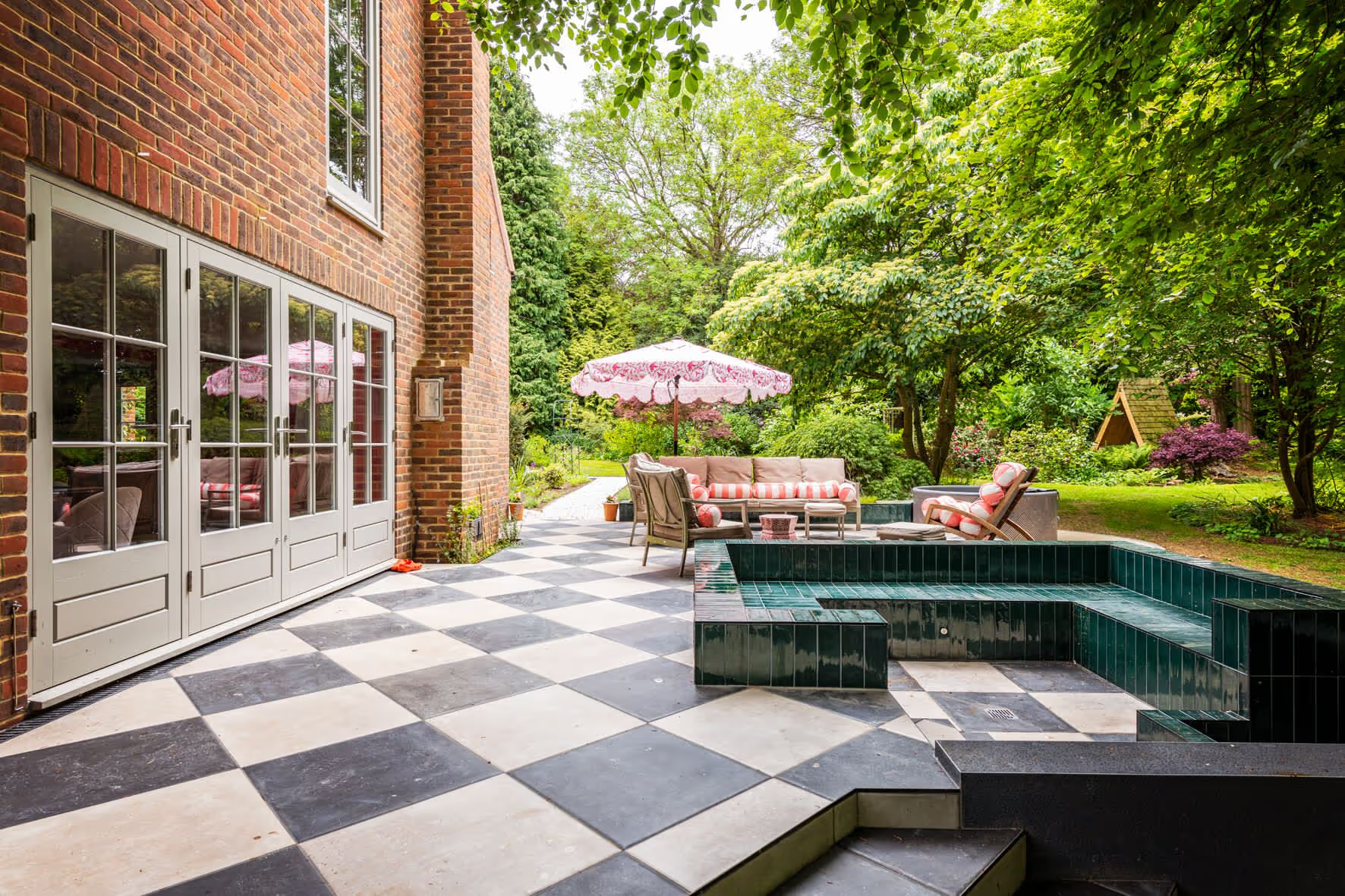
A complete garden transformation should be about creating an outdoor space that genuinely enhances your daily life. Whether you're dealing with a tired lawn, outdated paving, or simply a garden that doesn't work for your family anymore, a full redesign can turn your outdoor space into somewhere you actually want to spend time in. We've delivered garden design and landscaping services for many transformations across London, Surrey, Kent, and Somerset, so here's our practical guide to getting it right.
Why Transform Your Garden?
There comes a point where patching and fixing just isn't enough. You might have inherited a garden from previous owners that doesn't suit your lifestyle, or perhaps your needs have simply evolved? The play equipment has been outgrown, the entertaining space is too small, or maintaining the garden has become more work than pleasure.
Your garden should be an extension of your home, another room to spend time in, entertain and enjoy. A well-planned garden transformation can increase your property value by 10-20%, but more importantly, it creates a space that actually works for how you live today. It's about having a garden you look forward to coming home to, rather than one you avoid because it's overgrown, impractical, or simply uninspiring.
Phase 1: Assessment & Planning
Before you start ripping up patios or ordering plants, it's worth taking time to properly assess what you have and what you need. We often see homeowners rush into decisions and regret removing mature trees or destroying features that could have been restored and integrated into the new design.
Evaluating Your Current Garden's Potential
Walk your garden at different times of day and note where the sun lands, which areas get waterlogged after rain, and where you naturally gravitate. That sunny corner at 6pm might be the perfect spot for an evening seating area. The permanently damp patch near the back fence is telling you about drainage issues you'll need to address.
Take photos from every angle, including views from inside your home as you'll be looking at your garden through windows just as much as being in it. Measure everything, including boundaries, existing paving, and note the location of drains, manholes, and utility points.
Defining Your Garden Goals
This is where you need to be honest about how you'll actually use the space. A family with young children needs very different things from a couple who love entertaining or someone working from home who wants a peaceful retreat.
Common goals we hear from clients include:
- Creating a proper outdoor entertaining and dining space for family and friends
- Establishing low-maintenance planting that looks good year-round
- Adding functional storage for bikes, bins, and garden equipment
- Improving privacy from neighbouring properties
- Making better use of awkward shapes or sloping sites
- Creating wildlife-friendly habitats while maintaining usability
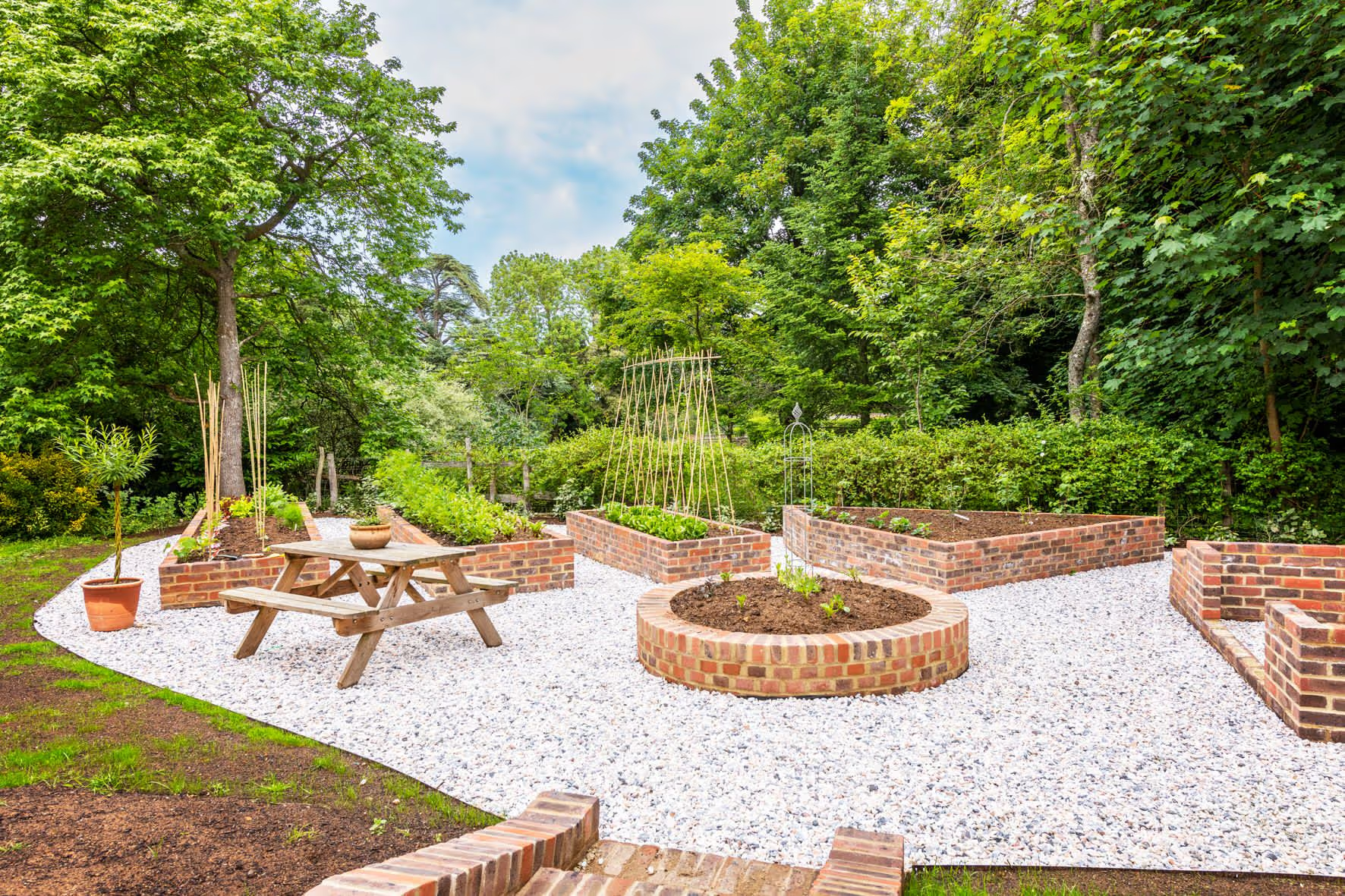
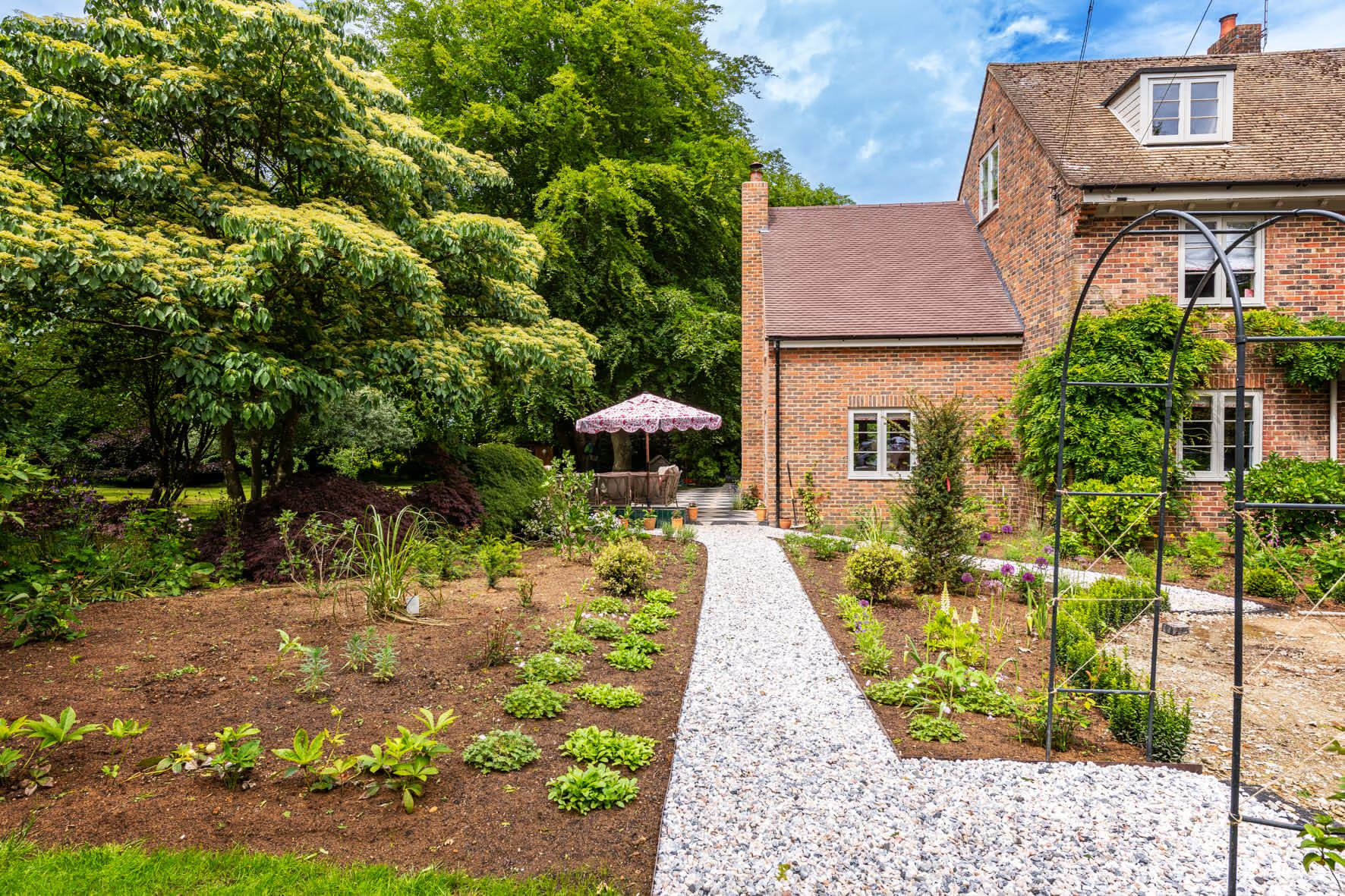
- Creating multigenerational spaces where kids can play and grandparents relax all in a beautiful, biodiverse setting.
Budget Planning and Phasing Options
A full garden transformation typically ranges from £18,000 to £60,000+ depending on size, materials, and complexity. If that sounds daunting, remember that you don't have to do everything at once. We often help clients phase their projects over 2-3 years, tackling the structural elements first, then adding planting and features as budget allows.
For a realistic sense of costs for your specific project, check out our pricing page which includes a project simulator to help you understand the investment required for different elements.
Phase 2: Design Development
This is where your ideas start taking shape on paper. While some straightforward transformations can be tackled DIY with careful planning, working with a professional garden designer can save you money in the long run by avoiding costly mistakes and ensuring everything from drainage to material quantities is properly calculated.
Working With a Garden Designer
A good garden design service starts with listening to how you live and what frustrates you about your current space. We'll survey your site properly, test soil drainage, assess sunlight patterns, and identify any structural or drainage issues that need addressing before anything else happens.
The design process typically involves:
- Initial consultation and site survey
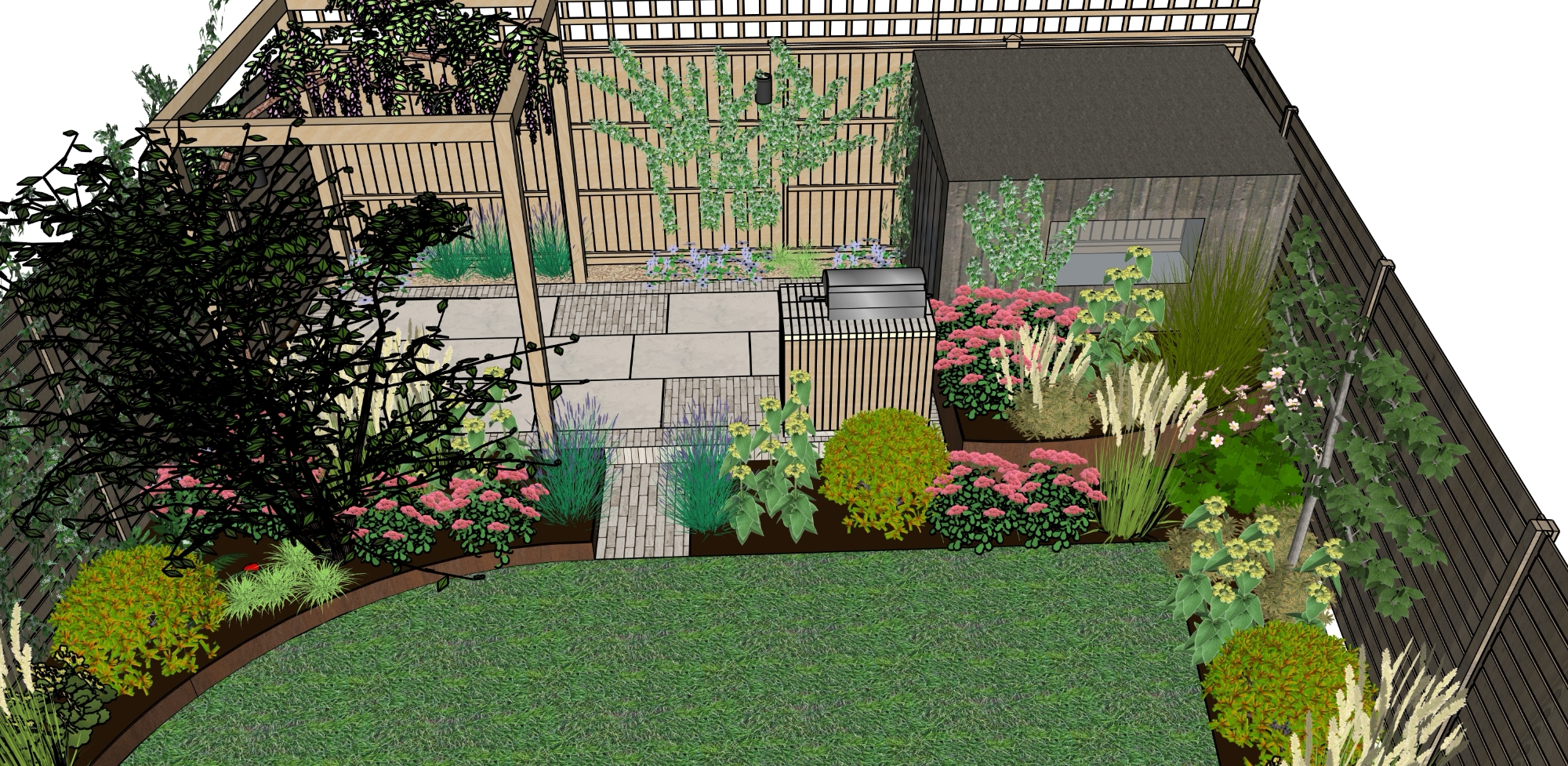
- Concept designs with 3D render to see how the garden will look
- Refined detailed design with exact measurements and specifications
- Planting plans showing every plant and its mature size
- Lighting and irrigation plans if required
One of our recent projects, an elegant family garden in Stoke Newington, shows how the design process transforms a narrow, sloped plot into distinct zones for dining, play, and relaxation while maintaining good flow between areas.
Key Design Considerations
The three things that make or break a garden transformation are drainage, sunlight, and soil type. Get these wrong and you'll have cracked paving, dead plants, and water pooling in all the wrong places.
For London gardens, we're often dealing with rubbly soil, poor drainage, and awkward access for machinery and materials. Surrey and Kent properties frequently have clay soil challenges, while Somerset gardens might face different issues with wind exposure or Deer eating well cared for plants in some areas.
Creating Zones Within Your Garden
Even in modest-sized gardens, creating distinct zones makes the space feel larger and more purposeful. You might have:
- A hard-landscaped terrace for dining near the house
- A lawn or softer surface for play and relaxation
- Planted borders that create the garden's backbone
- A utility area cleverly screened for bins, compost, and storage
The skill is in making these zones flow naturally into each other rather than feeling like separate, disconnected spaces.
Phase 3: Hard Landscaping
This is typically the most expensive phase but also the most transformative. Hard landscaping includes patios, paths, walls, fencing, and any built structures like pergolas or raised beds. Getting this foundation right is crucial. We see far too many DIY disasters where patios have sunk, cracked, or developed terrible drainage issues because the groundwork was skipped or done inadequately.
Patios, Paths and Structures
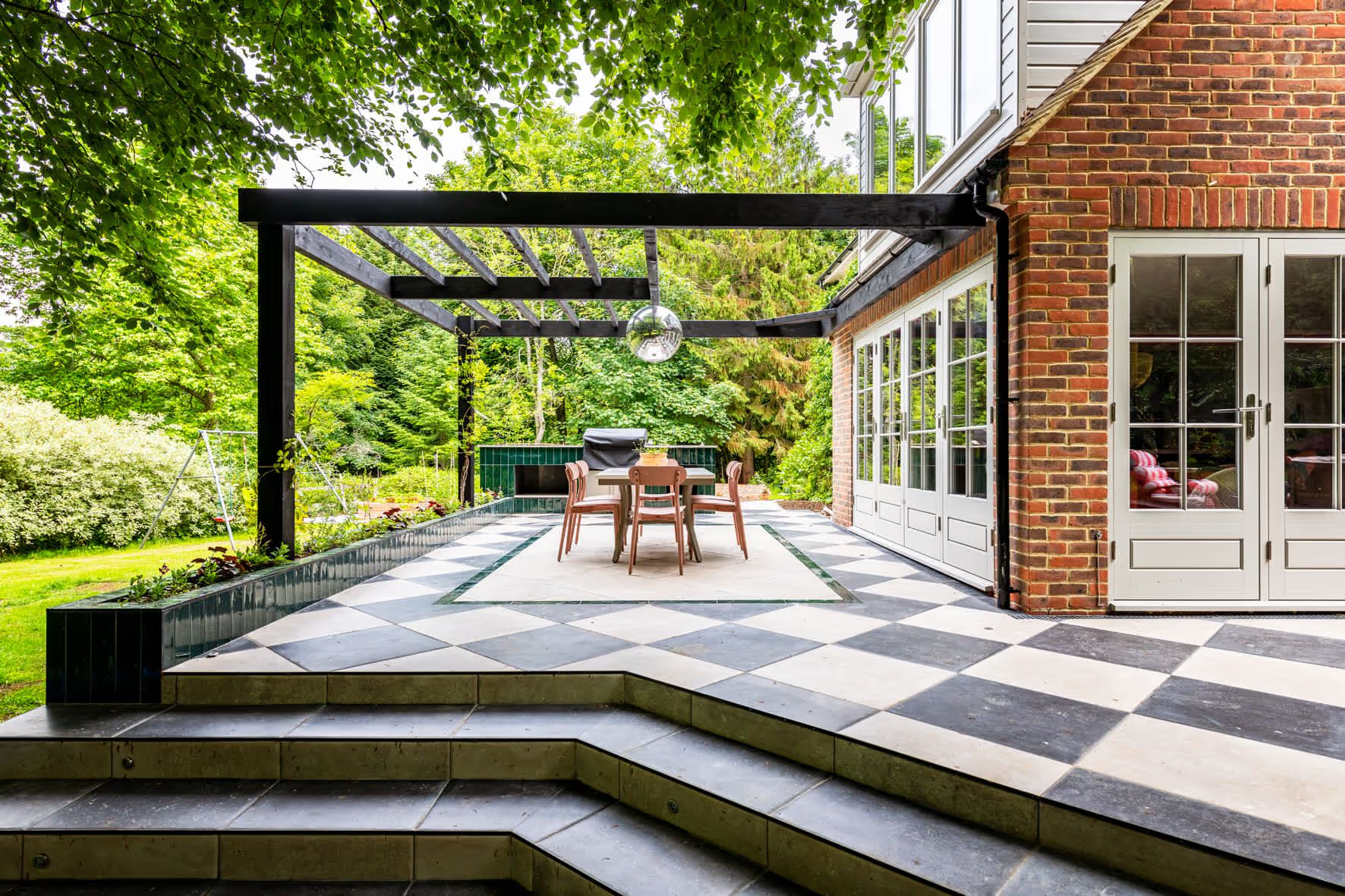
The materials you choose completely change the character of your garden. Natural stone like sandstone or limestone creates a soft, traditional feel that works beautifully with period properties. Porcelain paving offers contemporary clean lines and is low maintenance. It comes in stunning ranges that mimic natural materials. Traditional clay bricks and granite setts add texture and interest for paths and edging.
For landscaping projects across our service areas, we consider local architectural vernacular such as London stock brick walls in urban settings, York stone in more traditional contexts, or clean contemporary materials for modern homes.
Choosing Materials for Your Location and Climate
Location matters when selecting materials. In exposed Surrey or Kent gardens, you need materials that won't become slippery in winter or fade in strong sun. In shaded London courtyards, you want surfaces that won't develop moss or become hazardous when damp.
Porcelain is our go-to for low-maintenance longevity as it doesn't stain, never needs sealing, and keeps its colour forever. Natural stone develops character and patina but requires more maintenance. Choosing between hardwood and softwood timber depends on the location and usage. Hardwood is more expensive but far more durable whereas softwood is a good value option.
Timeline Expectations
A typical garden transformation's hard landscaping phase takes 2-4 weeks for a medium-sized garden, longer for complex sites with access issues or significant level changes. London projects often take longer simply because of access constraints and materials might need to be carried through the house or craned over buildings.
Weather plays a huge role too. Groundworks and foundations are weather-dependent, so this is taken into account when planning.
Phase 4: Planting & Soft Landscaping
Once the structure is in place, planting brings your garden to life. This is where the space transforms from building site to garden, where personality and seasonal interest come through.
Seasonal Planting Strategies
Autumn (September through November) is the gold standard time for planting in British gardens. The soil is still warm enough for roots to establish, but cooler air temperatures and autumn rain mean plants aren't stressed. Spring and Summer planting works too- we recommend irrigation systems to ensure plants get off to a healthy start until they are established.
Our planting schemes focus on year-round interest rather than one spectacular season. We layer bulbs for spring, perennials for summer and autumn colour, evergreen shrubs for winter structure, and ornamental grasses that look beautiful even in frost.
Creating Year-Round Interest
The best gardens work across all four seasons. This means thinking about:
- Spring bulbs pushing through before everything else wakes up
- Early summer perennials building to peak flower
- Late summer and autumn colour from grasses and daisy-family plants
- Winter structure from evergreens, architectural seed heads, and interesting bark
We always include a backbone of evergreen shrubs that look good all year - think things like Viburnum tinus, Sarcococca, Osmanthus, and various Pittosporum depending on your garden's aspect and soil.
Sustainable Planting Choices
More clients are asking for wildlife-friendly, sustainable planting, and honestly, these gardens perform better anyway. Considering pollinators, birds and soil- based insects is all part of our planting approach.
We're seeing beautiful results with sustainable garden approaches that use naturalistic planting, permeable surfaces for drainage, and plants that thrive without chemicals or excessive watering.
Phase 5: Final Touches & Maintenance
The finishing details transform a garden from nice to exceptional. Lighting extends usability into evening hours and creates atmosphere. Well-chosen furniture invites you to actually use the space. Thoughtful storage keeps everything tidy.
Lighting, Furniture, and Accessories
Garden lighting is transformative, especially in city gardens where you're often home after dark. We typically use a combination of ambient lighting (washing walls or uplighting trees), task lighting (for dining or cooking areas), and path lighting for safety.
Low-voltage LED systems are efficient, safe, and create beautiful effects. Solar lights have their place but rarely provide enough light for primary areas.
Establishment Care
Your garden transformation isn't truly complete until plants are established, usually by the end of the third full growing season. These first years requires regular watering during dry spells, mulching to retain moisture and suppress weeds, and watching for any teething problems with drainage or materials settling.
We offer garden care services for clients who want ongoing support, or we can provide a detailed handover guide if you're managing the garden yourself.
Location-Specific Considerations
London Gardens: Space Maximization and Overlooking
London gardens present unique challenges—typically small, often overlooked, and with difficult access. Maximising every square meter while maintaining a sense of openness requires clever design. Vertical planting, integrated storage, and multi-functional spaces are essential.
We often use taller boundary planting or clever screening to create privacy without boxing in the space, and choose materials that can be carried through houses rather than requiring crane access.
Surrey & Kent: Clay Soil Management
Many gardens across Surrey and Kent sit on heavy clay soil . This means exceptional drainage and foundation work is non-negotiable. Patios need deeper sub-bases than you'd think, and drainage must be properly designed to handle the water that simply won't soak away through clay.
Our Kent family garden project shows how we manage clay soil challenges while creating a beautiful, functional family space that's stood the test of time.
Understanding the Investment
A complete garden transformation typically costs:
- Small gardens (30-50m²): £15,000 - £30,000
- Medium gardens (80-150m²): £30,000 - £60,000
- Large gardens (200m²+): £60,000 - £120,000+
These ranges include design, all hard landscaping, planting, and finishing touches like lighting. Complex sites with access issues, significant level changes, or poor existing drainage will be at the higher end.
The breakdown roughly works out as:
- Design fees: 8-10% of total project
- Hard landscaping: 50-70%
- Planting and soft landscaping: 15-25%
- Lighting, irrigation, features: 10-15%
For a detailed breakdown tailored to your project, visit our pricing page.
Getting Started
The best garden transformations start with a conversation. We offer free initial zoom consultations where we talk through your problems, goals and how to achieve them.
We can also visit your garden, discuss your ideas and budget, and provide honest advice on what's achievable.
Many clients find it helpful to browse our project gallery to get a sense of different styles and what's possible in gardens similar to theirs. From there, we can develop a design that's perfectly tailored to your space, lifestyle, and budget.
Ready to transform your garden? Get in touch to book your free consultation. We're working across London, Surrey, Kent, and the South West, and we'd love to help create the garden you've been dreaming of.
Related posts

Diary of a Garden Design and Build
Small London Garden Ideas: Maximizing Terrace & Townhouse Outdoor Space