
Kitchen Garden Design: Grow Your Own Fresh Produce in Style

The Benefits of a Kitchen Garden
A kitchen garden is more than just a place to grow food—it’s a sustainable, rewarding, and visually appealing addition to any home. The key benefits include:
- Fresh, Homegrown Produce – Enjoy organic fruits, vegetables, and herbs straight from your garden, reducing food miles and promoting healthy eating.
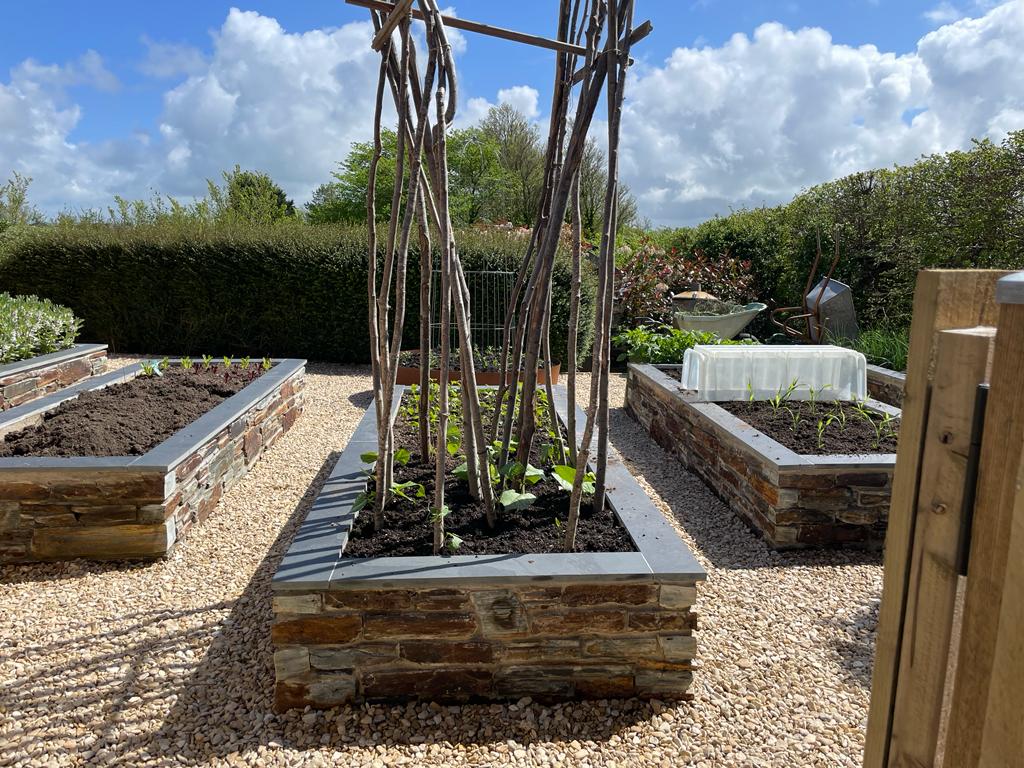
- Aesthetic Appeal – A well-structured kitchen garden design can be as beautiful as it is functional, incorporating raised beds, pathways, and decorative planting.
- Wildlife & Pollinator Support – Edible gardens encourage biodiversity, attracting bees, butterflies, and beneficial insects.
- Sustainable Living – Growing your own produce reduces reliance on supermarkets and supports eco-friendly, seasonal eating.
Key Elements of a Kitchen Garden Design
1. Choosing the Right Layout
A well-planned kitchen garden balances structure and accessibility. Popular layout options include:
- Raised Beds & Planters – Define planting areas, improve drainage, and make maintenance easier.
- Potager-Style Gardens – A traditional French approach blending vegetables, flowers, and herbs for a decorative and productive space.
- Walled Kitchen Gardens – Perfect for historic homes, offering protection and warmth for delicate crops.
- Modern Edible Landscapes – Incorporating fruit trees, edible hedges, and perennial vegetables for a naturalistic yet functional look.
2. Selecting the Best Plants
A successful kitchen garden design includes a mix of seasonal and perennial crops. Some excellent choices include:
- Vegetables – Tomatoes, kale, carrots, and beans thrive in well-drained soil.
- Herbs – Basil, rosemary, thyme, and chives add fragrance and culinary versatility.
- Fruit Trees & Bushes – Apples, pears, raspberries, and blueberries offer delicious harvests year after year.
- Companion Planting – Marigolds, nasturtiums, and lavender deter pests and support healthy growth.
3. Pathways & Accessibility
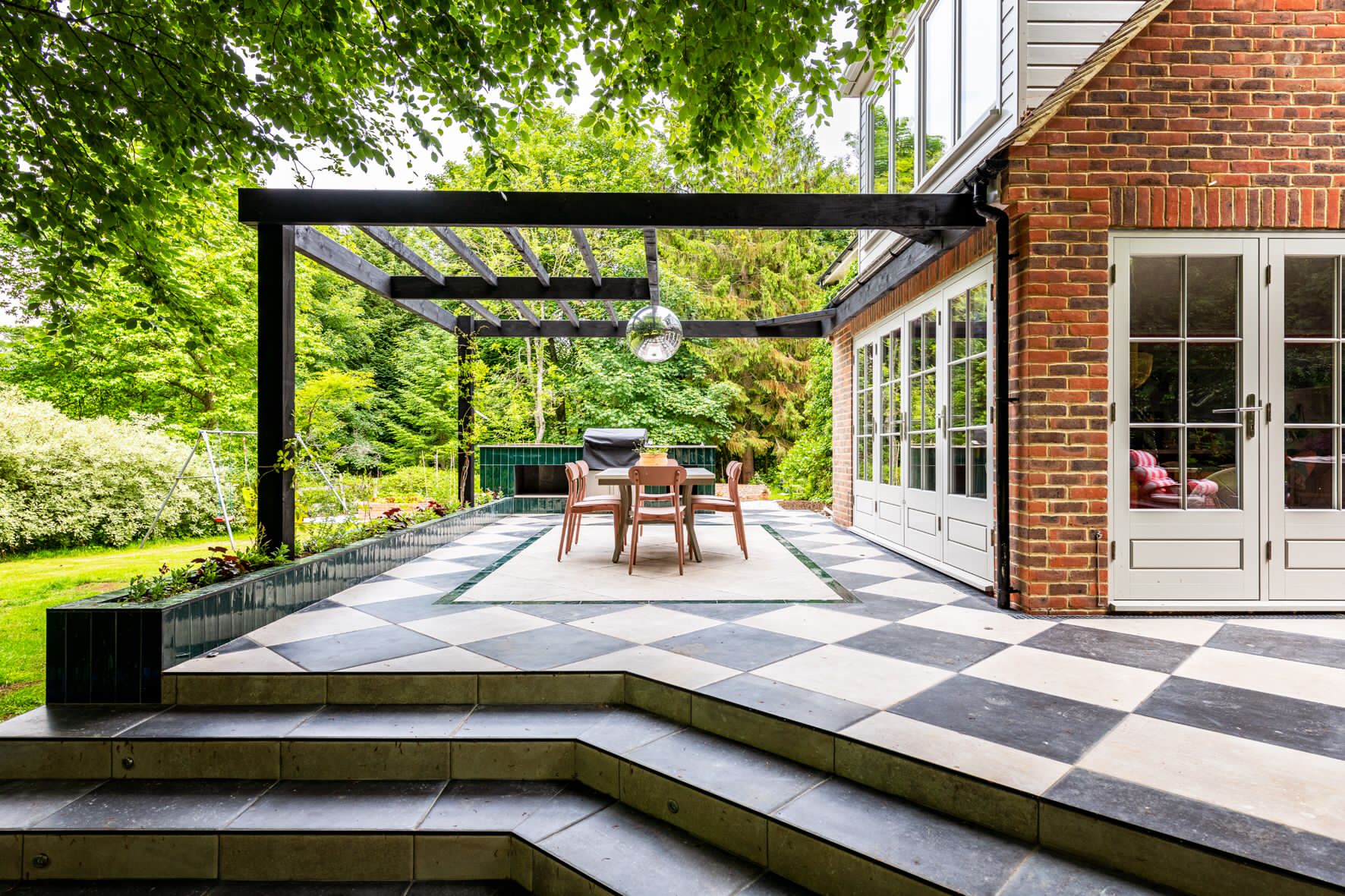
Ensuring easy access to planting areas is essential for maintenance and harvesting. Gravel, brick, or woodchip pathways add charm and practicality, while pergolas, trellises, and vertical planting maximize space and create a visually appealing structure.
Low-Maintenance Kitchen Garden Ideas
If you love the idea of growing your own food but want a garden that requires minimal effort, consider these low-maintenance kitchen garden solutions:
- Perennial Planting – Opt for perennial vegetables like rhubarb, asparagus, and artichokes to reduce replanting efforts.
- Automatic Irrigation – Drip irrigation systems keep plants hydrated without the need for daily watering.
- Mulching & No-Dig Gardening – Retain soil moisture and suppress weeds by using organic mulch or compost layers.
- Raised Beds with Self-Sustaining Soil – Improve soil health with composting methods that require little intervention.
Bringing Your Kitchen Garden to Life
A well-designed kitchen garden is a space for relaxation, productivity, and sustainability. Whether you envision a traditional Victorian kitchen garden, a modern edible landscape, or a practical raised-bed system, our team at Wild Butterfly Gardening can bring your vision to life.
Start growing your own fresh, organic produce today—contact us to design a kitchen garden tailored to your home and lifestyle.
Explore some of our recent work

Harness the Potential of Your Garden with Our Expert Services
Garden Design
From initial consultation and site survey to detailed 3D concepts and planting plans, our design process is thorough and collaborative, ensuring your vision becomes a reality.

Consultancy
We can help with troublesome areas, best locations for patios or pergolas as well as ideas for planting schemes with our consultancy service
Landscaping
Our team works with trusted contractors or your preferred choice to deliver exceptional results, including add-ons such as lighting, irrigation, and garden furniture.
Planting
Our expertise extends to designing and implementing planting schemes for full gardens, raised beds, window boxes, edible garden schemes, and troublesome areas, as well as lawn installation and maintenance.
Maintenance
Choose from regular, seasonal, or one-off MOTs to keep your garden in optimal condition throughout the year.
FAQs
How can I make my garden more wildlife-friendly?
A wildlife-friendly garden needs four things: food sources (nectar-rich flowers, berries, seed heads left over winter), water (even a small dish helps), shelter (dense shrubs, log piles, undisturbed corners), and connectivity (gaps in fences for hedgehogs, climbing plants for insects). Our garden design approach builds these elements into stylish spaces that support local ecosystems while looking contemporary. Wildlife-friendly doesn't mean wild-looking — a garden can be elegant and ecologically valuable at the same time.
What is the best low-maintenance garden design?
The best low-maintenance gardens combine durable hard landscaping with carefully chosen plants that thrive without constant attention. Key elements include: drought-tolerant planting, permeable surfaces that manage themselves, structural evergreens for year-round form, and ground-cover plants that suppress weeds. Our biodiverse garden designs prioritise plants suited to your specific conditions — when plants are in the right place, they need less intervention. We design beautiful outdoor spaces that look after themselves.
Can I phase my garden project over time?
Absolutely — many of our clients choose to phase their garden transformation to manage budgets. We design the complete vision upfront, then prioritise which elements to build first.
Common approaches include: completing hard landscaping initially and adding planting a few months later, or transforming the main garden first and tackling front gardens afterwards. Some clients spread work over a single season, others over a couple of years — it depends entirely on your circumstances.
Our design package gives you a comprehensive plan that can be implemented in whatever stages work for you and your budget.
Do you offer garden maintenance after the design is complete?
Yes — we offer ongoing maintenance to keep your garden looking its best after installation. Options include regular weekly or monthly visits, seasonal maintenance programmes, and one-off garden MOTs. Many clients find that professional maintenance in the first year helps plants establish well. We can also provide guidance if you prefer to maintain the garden yourself, including seasonal care calendars and planting notes.
How do you design family-friendly gardens?
Family gardens need to work for everyone — play space for children, entertaining areas for adults, and planting that's robust enough to handle family life. Our designs create flexible spaces that can evolve as children grow: lawn areas that become borders later, built-in seating with storage, and durable surfaces that handle heavy use. We prioritise non-toxic plants where children play, and create wildlife habitats that double as educational features.