
Large Garden Design
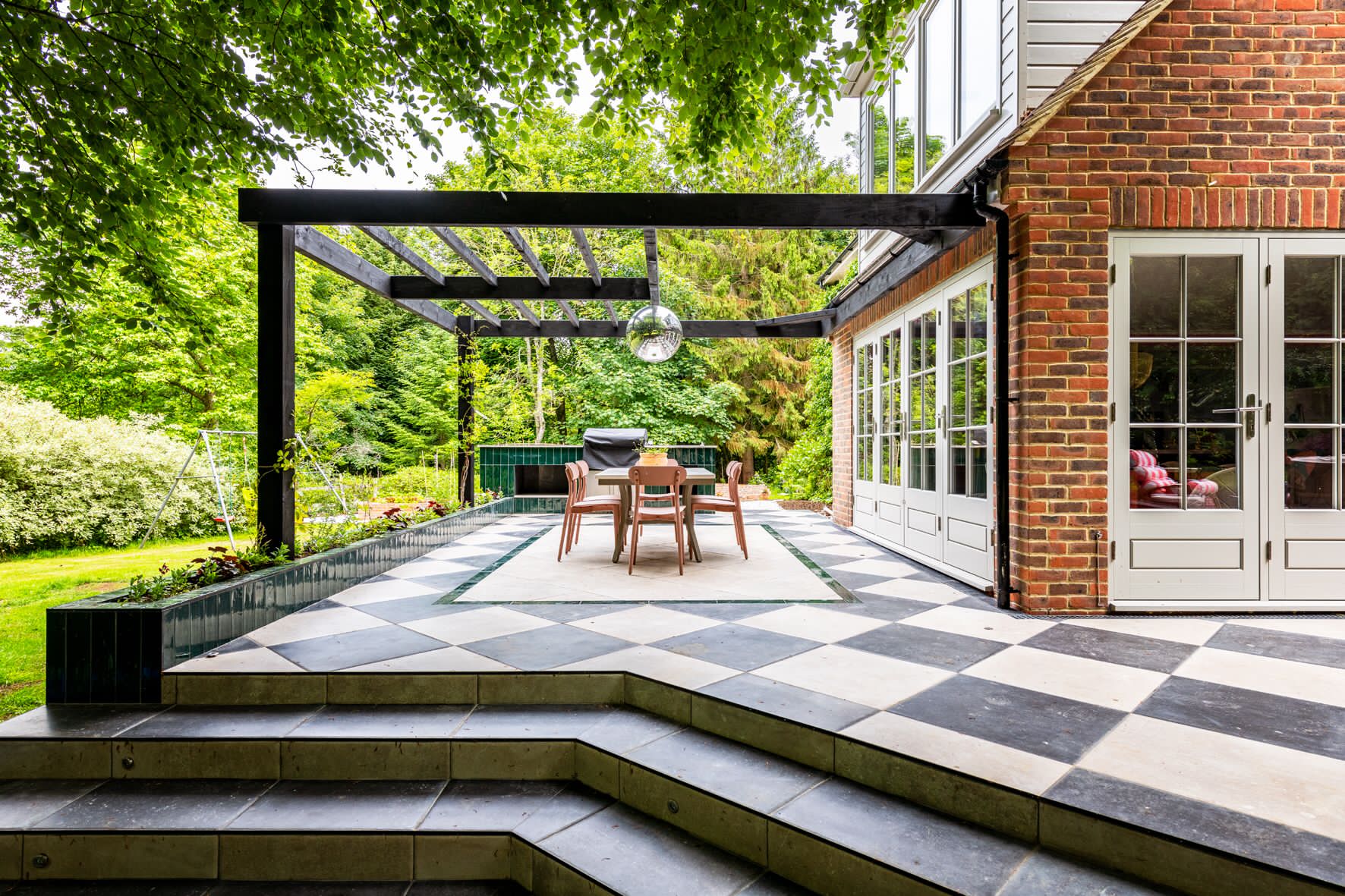
The Challenge of Large Gardens
More space sounds like a blessing, but large gardens come with their own set of challenges.
The temptation is to fill every corner with features: an orchard here, a wildflower meadow there, a kitchen garden, a pond, a fire pit area, separate zones for children and entertaining. Before you know it, you're looking at a maintenance nightmare and a garden that feels chaotic rather than generous.
The best large gardens show restraint. They have a clear structure, distinct areas with purpose, and thoughtful transitions between spaces. Some areas are designed for activity, others simply breathe. That balance is what transforms a big plot into a garden you'll actually enjoy.
Designing for Country Life
Country gardens need to work harder than their urban counterparts. They're not just for weekend entertaining but for daily life across all seasons.
We think about practical questions that city gardens rarely face. Where will you store logs? How will visitors find the entrance? Where should the compost bins go so they're accessible but not the first thing you see from the kitchen? What happens to the garden when it rains for a week straight?
We also consider the borrowed landscape. If you have views of rolling hills, woodland, or open fields, we can frame and celebrate those views rather than screening them out. Your garden effectively expands to include everything you can see.
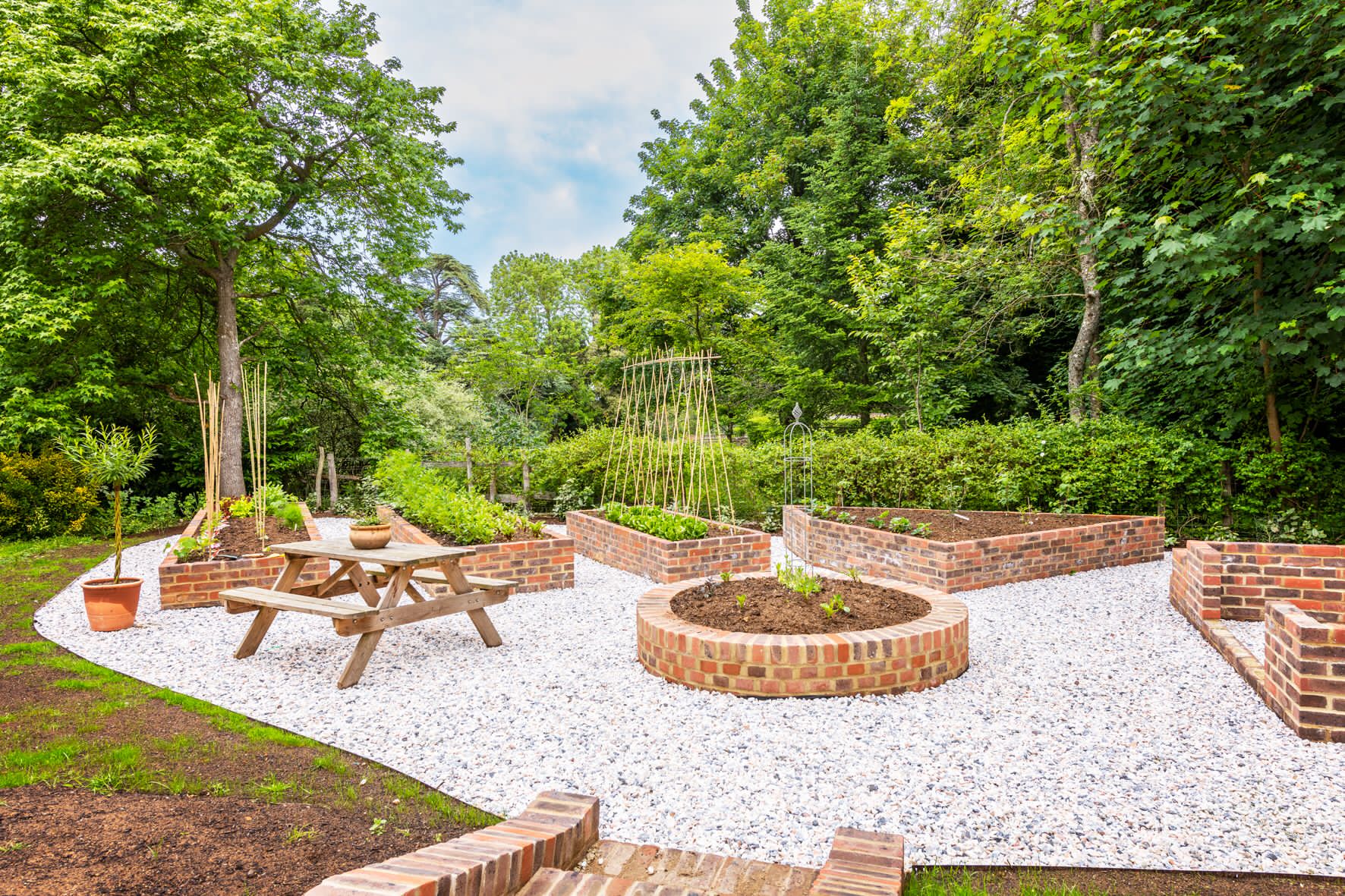
What Works in Large Gardens
Successful large gardens typically include:
Clear structure and bones from hedging, walls, and mature trees that give the garden year-round presence regardless of what's flowering.
Distinct zones with different characters, connected by thoughtful circulation routes. A formal terrace near the house might give way to productive kitchen gardens, then wilder meadow areas, then woodland.
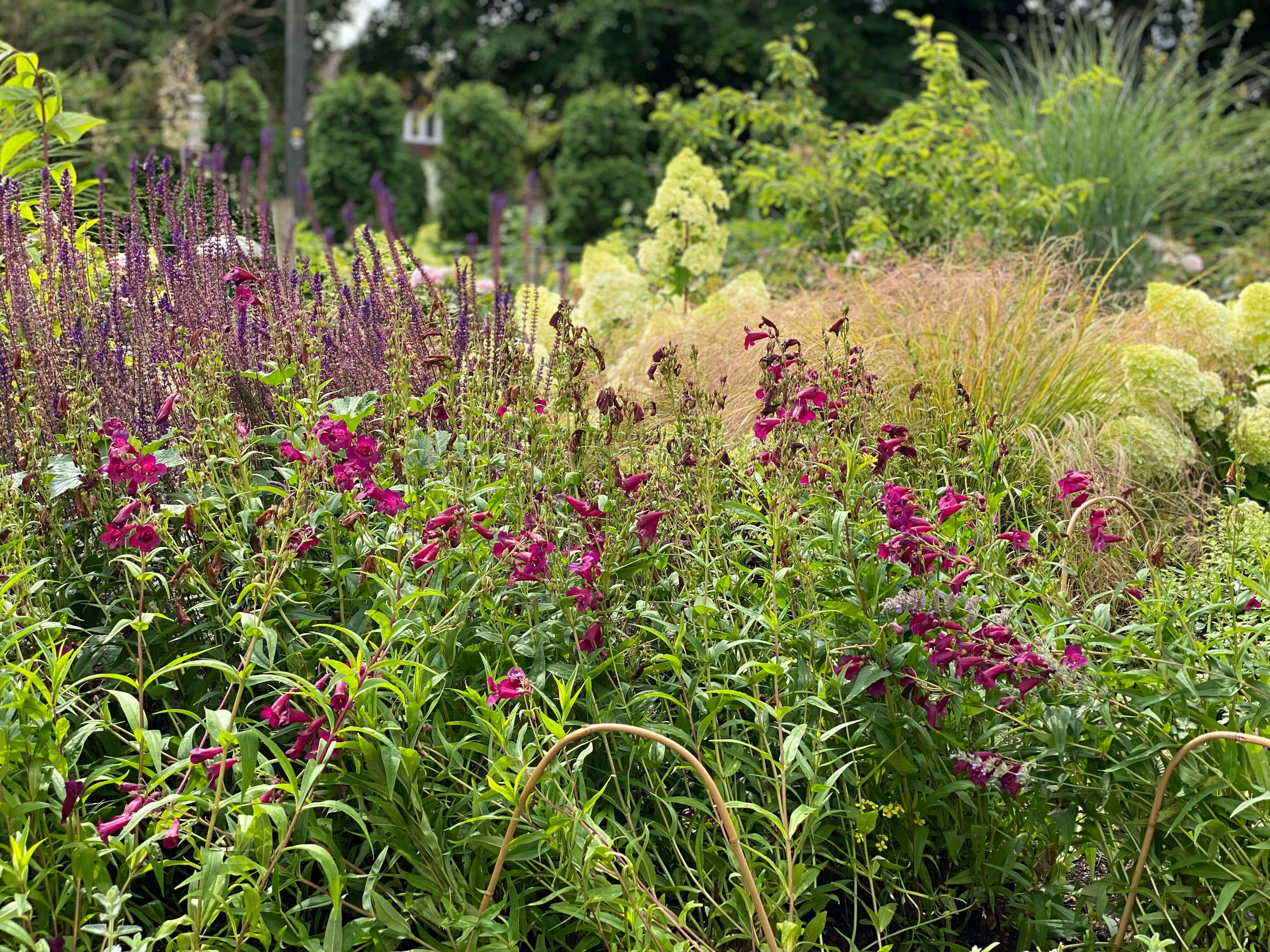
Low maintenance areas strategically placed to balance the higher-maintenance zones. Wildflower meadows, naturalistic planting, and gravel gardens all reduce ongoing work while adding beauty and biodiversity.
Practical working areas for compost, tool storage, potting, and all the behind-the-scenes activity that keeps a large garden running smoothly.
Regional Considerations
We work across the South of England, and each area has its own character.
Somerset gardens often sit on varied geology, from heavy clay on the Levels to free-draining limestone in the Mendips. We know what thrives where and how to work with local conditions rather than fighting them.
Kent and Surrey properties frequently have challenging clay soil that needs proper drainage solutions. Many also sit within the Green Belt or conservation areas with specific planning requirements.
Cornwall offers a milder climate that opens up planting possibilities, but coastal gardens need species that tolerate salt winds. The dramatic landscape calls for designs that complement rather than compete with the surroundings.
Large Garden Investment
Full transformations for large country gardens typically range from £30,000 to £80,000 or more, depending on size, complexity, and the features you want to include. Larger estates with extensive landscaping, kitchen gardens, and multiple distinct zones can require significantly more investment.
The good news is that phasing works particularly well with large gardens. We can design the complete vision upfront, then prioritise construction over several years. Many clients tackle the areas nearest the house first, then work outward as budget and time allow.
A well-designed large garden adds substantial value to country properties. More importantly, it transforms how you experience your home and land, turning overwhelming acreage into spaces you actually use and love. See our pricing guide for more details.
Our Large Garden Projects
Browse our portfolio below to see how we've transformed country properties across Kent, Surrey, Somerset and Cornwall. From family estates to rural farmhouses, each project demonstrates how thoughtful design brings large gardens to life.
Ready to transform your country garden? Get in touch for a free consultation.
Explore some of our recent work
Harness the Potential of Your Garden with Our Expert Services
Garden Design
From initial consultation and site survey to detailed 3D concepts and planting plans, our design process is thorough and collaborative, ensuring your vision becomes a reality.

Consultancy
We can help with troublesome areas, best locations for patios or pergolas as well as ideas for planting schemes with our consultancy service
Landscaping
Our team works with trusted contractors or your preferred choice to deliver exceptional results, including add-ons such as lighting, irrigation, and garden furniture.
Planting
Our expertise extends to designing and implementing planting schemes for full gardens, raised beds, window boxes, edible garden schemes, and troublesome areas, as well as lawn installation and maintenance.
Maintenance
Choose from regular, seasonal, or one-off MOTs to keep your garden in optimal condition throughout the year.
FAQs
How much does large garden design cost?
Large garden design packages typically start from £5,000-£8,000 for comprehensive plans including zoning, planting schemes, and 3D visualisations. For complete design and build of country gardens, budgets usually range from £30,000 to £80,000 or more depending on size, features, and complexity. Larger estates with kitchen gardens, multiple terraces, and extensive planting can require significantly more investment. The good news is that large gardens suit phasing perfectly. We can design the complete vision, then build in stages as budget allows. See our pricing guide for detailed breakdowns.
Can I phase a large garden project over time?
Absolutely, and we actively encourage this approach for larger properties. We design the complete vision upfront so everything works together, then prioritise construction in stages that suit your budget and lifestyle.
Common phasing strategies: the first phase might tackle the terrace and areas nearest the house. A few months later you could add the kitchen garden or main borders. Later phases might address further areas like meadow planting or woodland edges.
This approach spreads cost, lets you live with each phase before committing to the next, and actually benefits planting as earlier areas mature while you develop others. Our design package includes a suggested phasing plan tailored to your situation.
How do you design for low maintenance in a large garden?
Large gardens become manageable through strategic zoning. We create high-maintenance areas where you spend most time (terraces, borders near the house) and lower-maintenance zones further out (wildflower meadows, naturalistic planting, gravel gardens). Meadow areas only need cutting twice yearly. Naturalistic planting with grasses and perennials largely looks after itself once established. We also consider practical factors: wide paths for mower access, robust plant choices that don't need staking, and irrigation for areas that need it. A well-designed large garden shouldn't feel like a burden.
What should I consider when designing a country garden?
Country gardens need to work harder than urban ones. Key considerations include: views (frame the good ones, screen the bad), practical access for maintenance equipment, shelter from prevailing winds, and connection to the surrounding landscape. Think about how you'll use the garden across seasons, not just summer. Where will you store logs? How visible are bins and compost? Can delivery vehicles access easily? Our Somerset and Kent projects often incorporate borrowed landscape, making the garden feel much larger by celebrating views of surrounding countryside.
Why work with a local Somerset garden designer?
Somerset's geology creates dramatically different growing conditions within short distances. We know which plants will struggle in waterlogged clay on the Levels and which will thrive in thin soil over Mendip limestone. Local knowledge prevents expensive mistakes, ensures your planting scheme establishes well, and means we can recommend trusted local suppliers and contractors. From our Glastonbury base, we've built relationships with Somerset's best landscapers, nurseries, and craftspeople — connections that benefit every garden transformation we undertake.
How long does a garden project take in Somerset?
Timescales vary depending on scope. A garden consultation can happen within a few weeks of enquiry. Design projects typically take 6-12 weeks from briefing to final plans, including 3D visualisations and detailed planting schemes. Build phases depend on scale and contractor availability — a courtyard garden might take 2-3 weeks to construct, while a larger country garden transformation could run to 8-12 weeks. We'll give you realistic timelines during the design process.
What is naturalistic planting design?
Naturalistic planting mimics how plants grow in nature — drifts of perennials, ornamental grasses, and self-seeding annuals that create dynamic, seasonal interest. Pioneered by designers like Piet Oudolf, it's lower maintenance than traditional borders once established, and superb for biodiversity. Plants are chosen for their structure and seed heads as much as their flowers, giving year-round interest. Our planting schemes often incorporate naturalistic elements, particularly in country gardens where the style connects beautifully with the surrounding landscape. It suits clients who want gardens that feel alive and slightly wild, rather than manicured.